
Why Quality Management Is Critical in Forensic Science
In forensic science, accuracy and consistency isn’t just important, it’s everything. A single examination can influence investigations, prosecutions, and lives. For disciplines such as firearm and tool mark identification, where conclusions must withstand intense legal and scientific scrutiny, a strong quality management system is not optional…it is essential.
Quality management ensures that forensic work is accurate, reliable, reproducible, defensible, and compliant with industry standards. Without it, even technically sound examinations can be challenged, undermined, or excluded altogether.
What Is Quality Management in Forensics?
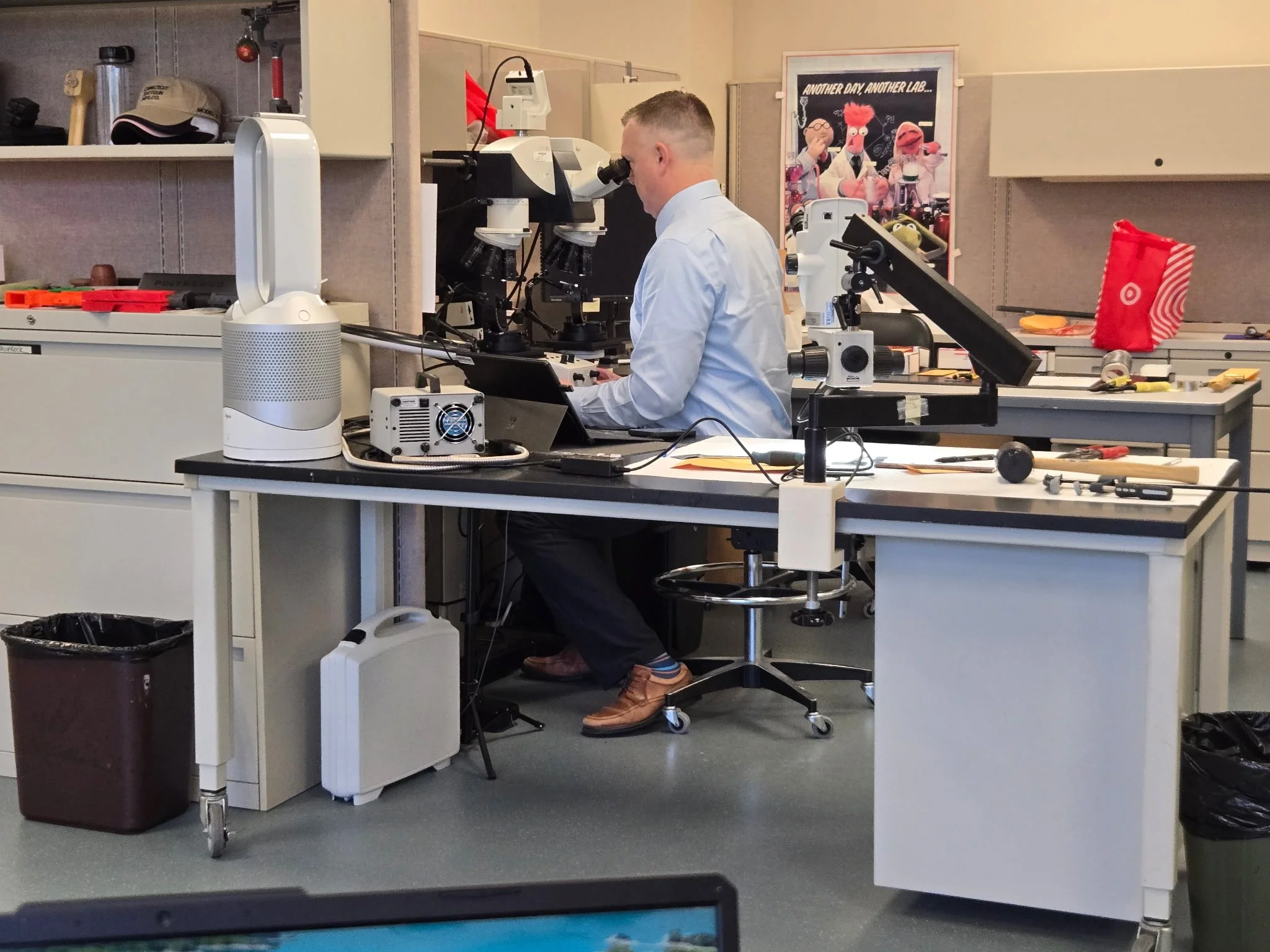
Quality management in forensic science refers to the policies, procedures, documentation, and oversight mechanisms that ensure forensic work is performed consistently and correctly.
This includes:
Standard operating procedures (SOPs) and training manuals
Analyst training, competency, and proficiency
Case review and verification processes
Validation and/or quality checks of instrumentation/equipment
Corrective actions and continuous improvement (preventative actions)
Compliance with standards such as ISO 17020 and 17025
For firearm and tool mark sections, these elements directly impact the credibility of conclusions related to bullet and cartridge case comparisons, tool mark examinations, serial number restorations, muzzle to distance determinations, and court testimony.
Why Quality Management Matters in Firearm & Tool Mark Analysis
Firearm and tool mark examinations are technical. While some conclusions may be considered subjective, they are based on objective data, verified by a separate examiner, and then undergo a technical and administrative review.
As scrutiny of forensic disciplines continues to increase, laboratories and individual examiners must demonstrate that their work is supported by sound quality practices.
A robust quality management system:
Reduces error and bias by enforcing standardized methods
Ensures consistency across examiners and cases
Strengthens courtroom defensibility of forensic conclusions
Protects agencies and laboratories from legal and reputational risk
Builds confidence among investigators, attorneys, and the courts
Without proper quality controls, even experienced examiners may face challenges to their findings. Not because the science is flawed, but because the process cannot be proven.
The Role of ISO Accreditation
ISO 17020 and 17025 accreditation is widely recognized as the gold standard for forensic laboratories. Accreditation demonstrates that a lab is technically competent and operates under a verified quality management system that follows international standards.
However, achieving and maintaining accreditation requires more than technically sound case work, it demands ongoing commitment, training, documentation, internal audits, and corrective action processes. This is where some private and government laboratories can struggle.
How SCL Forensics Supports Quality Management Excellence
SCL Forensics is unique in that it specializes in helping forensic firearm and tool mark laboratories strengthen their quality systems and technical operations. Our services are designed to support agencies at every stage, from foundational development to advanced accreditation needs.
-
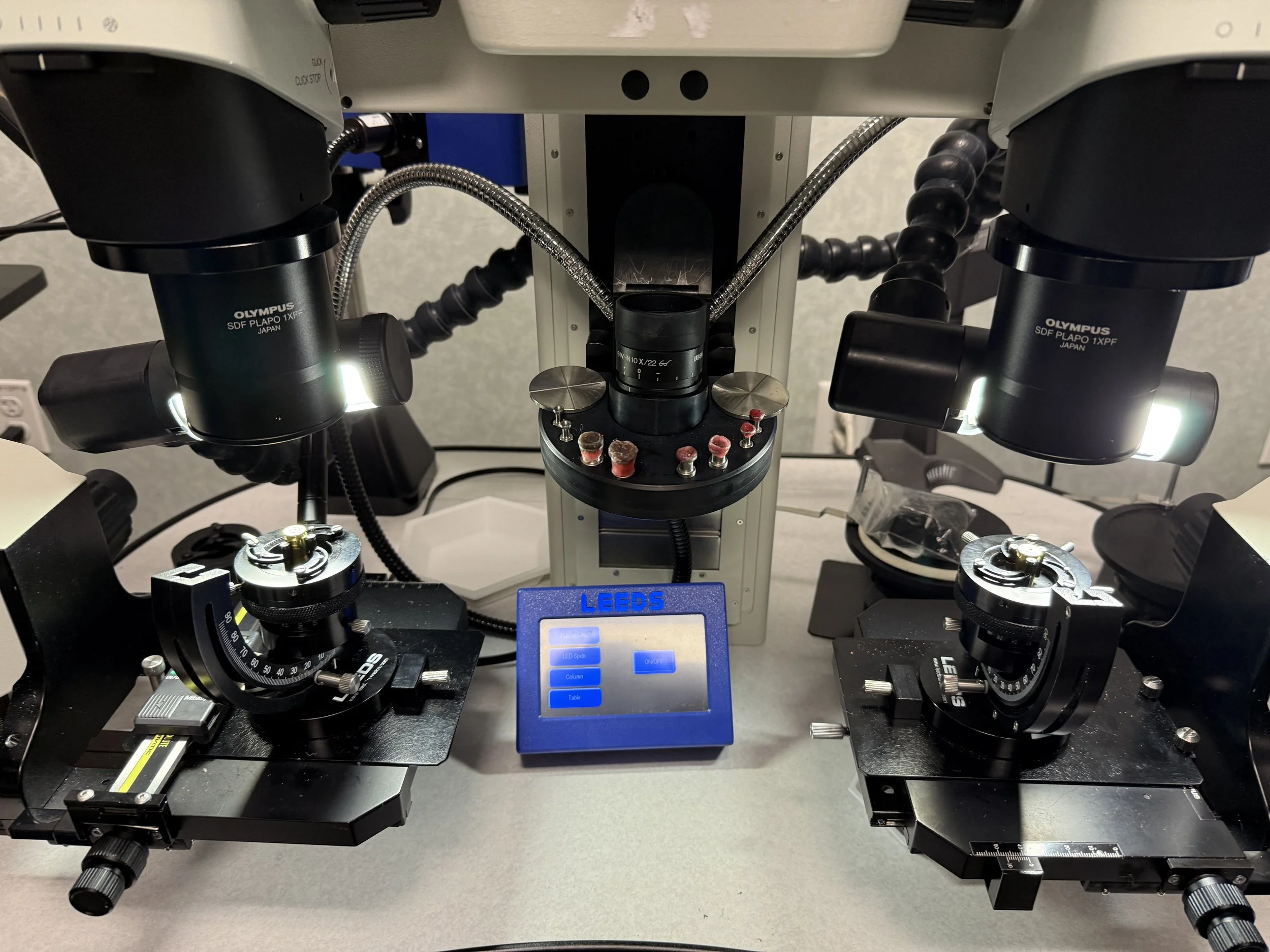
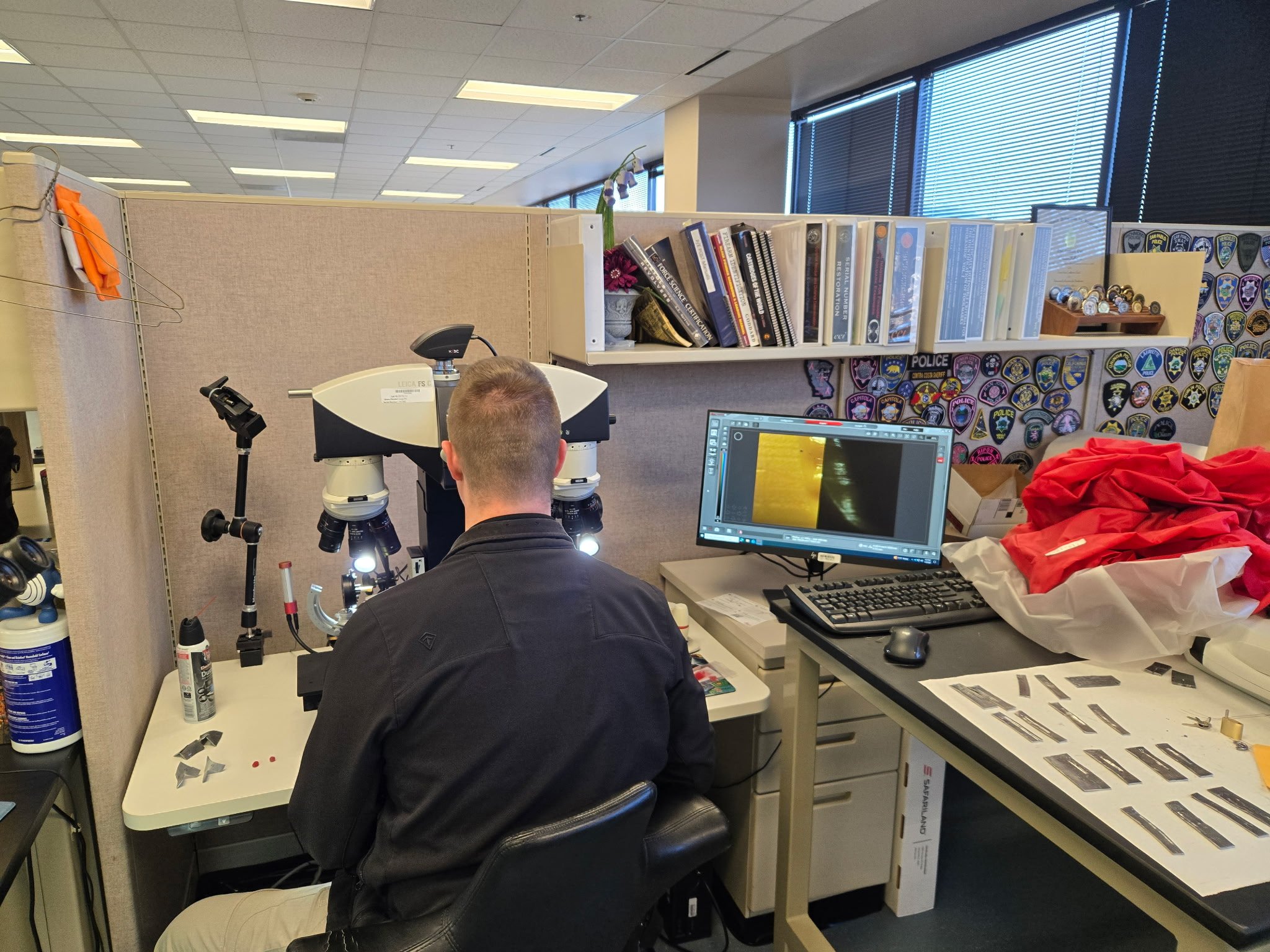
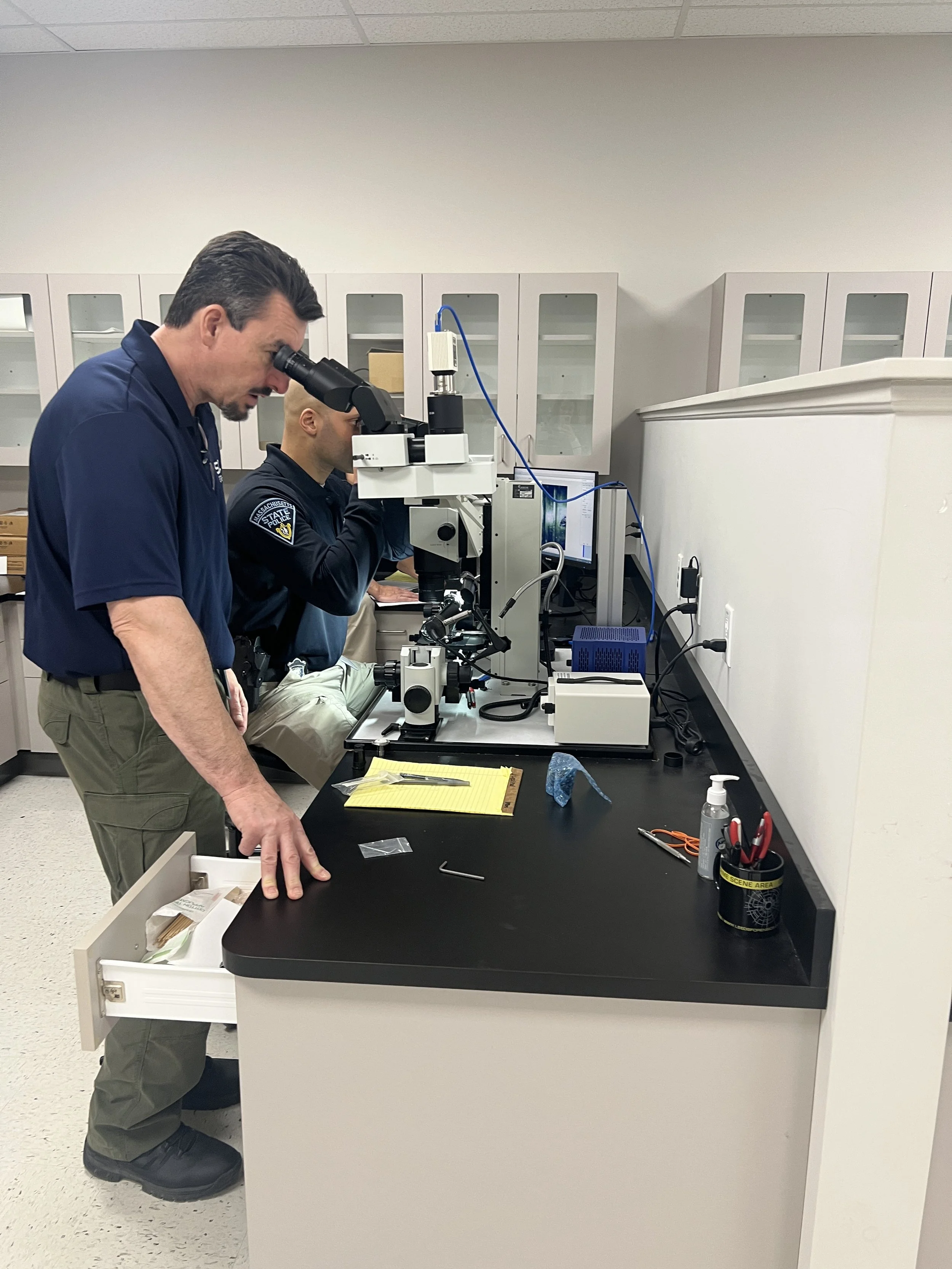
Firearm and tool mark examinations are conducted independently and without bias, utilizing a blind verification process and adhering strictly to quality standards and documented methodologies. Casework reviews are conducted impartially and in accordance with all relevant professional standards.
-
Clear, defensible testimony by experienced examiners are based on quality-managed processes that stand up to cross-examination.
-
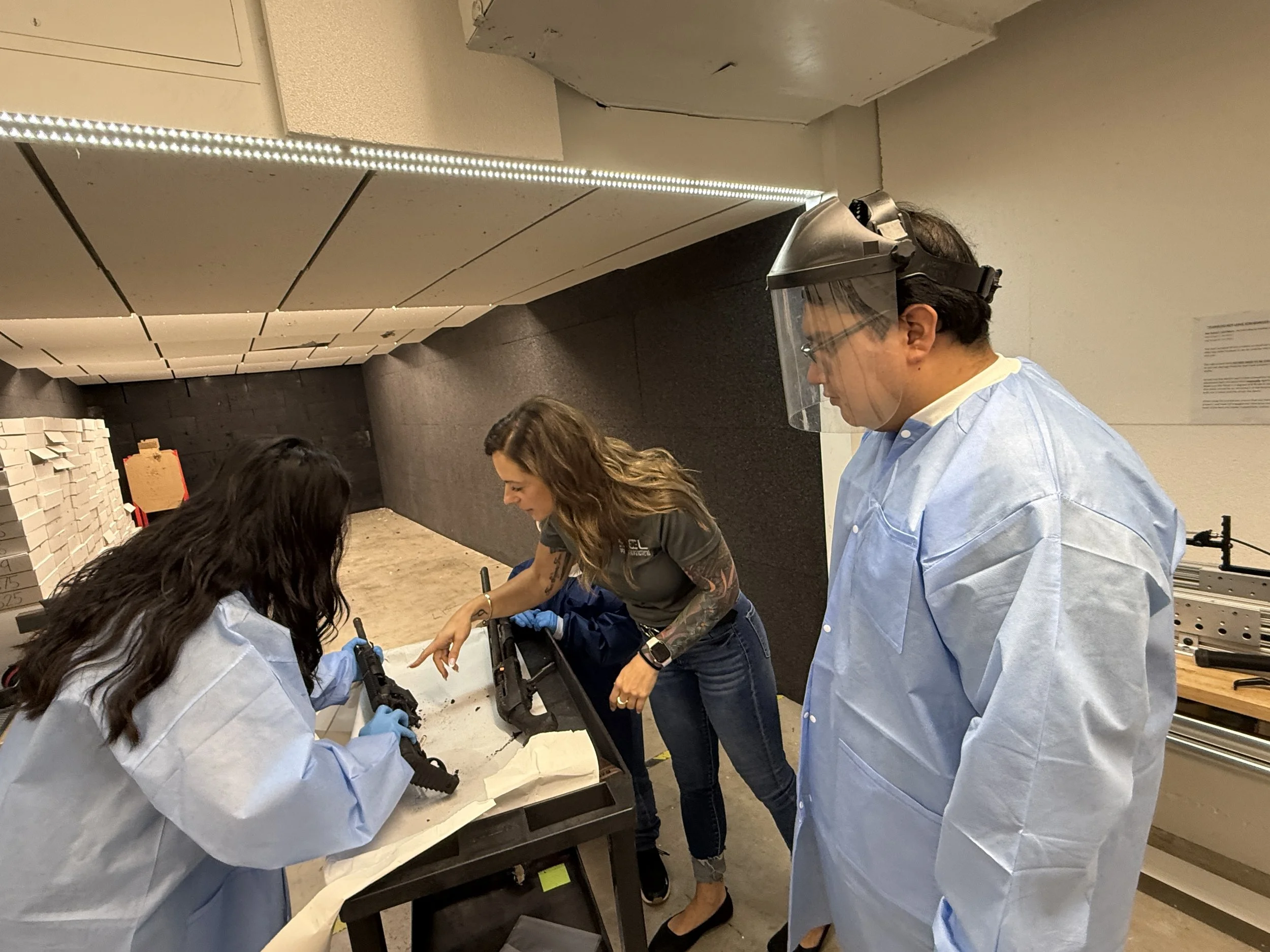
Customized training for new examiners or technicians and experienced examiners focused on best practices and discipline-specific challenges.
-
Providing guidance and support for validating new equipment or instrumentation to ensure all techniques meet scientific and accreditation standards.
-
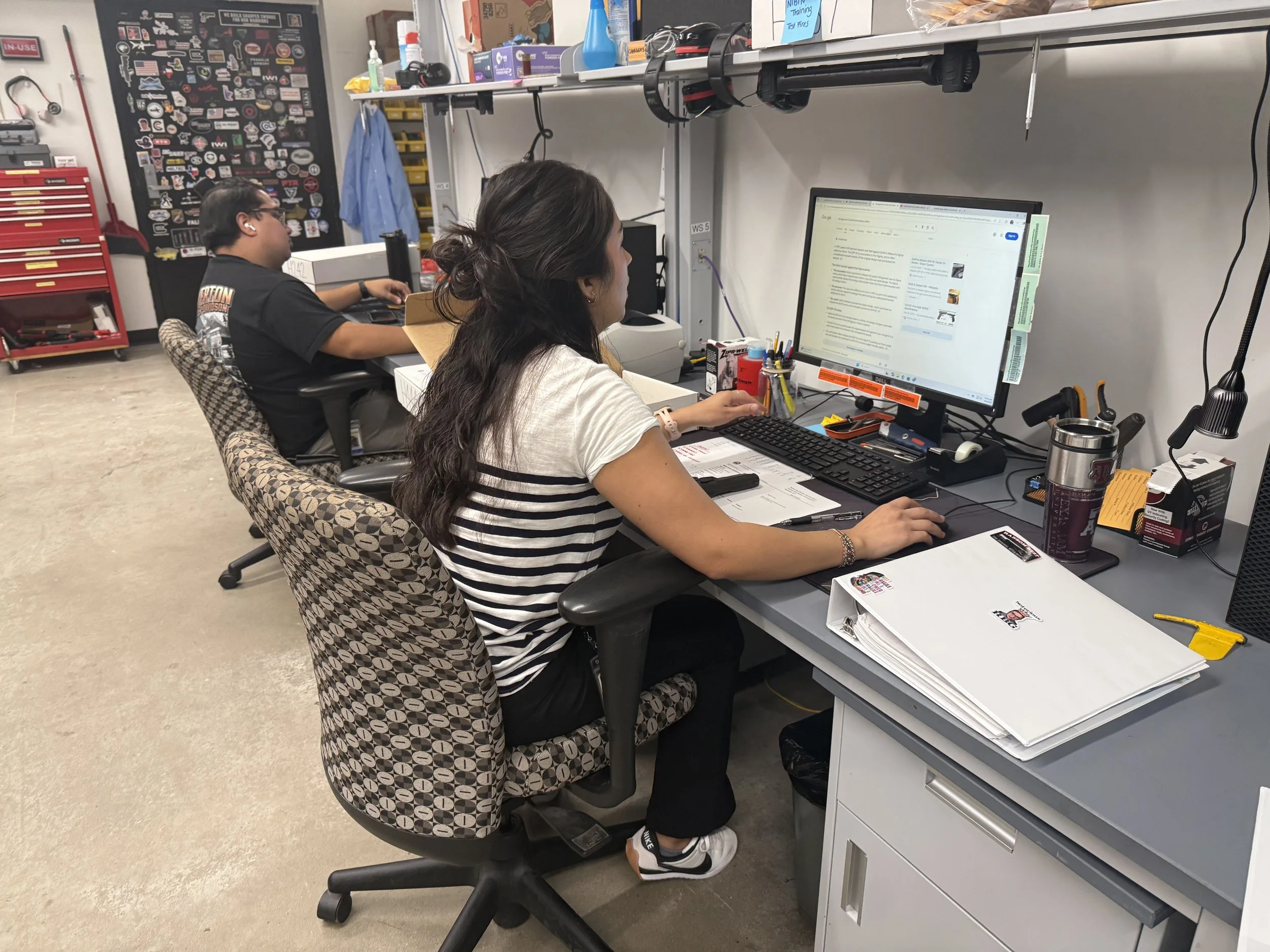
Comprehensive support for new or expanding forensic laboratories, from initial construction to final completion. Services include vendor selection, SOP development, workflow design, and quality system implementation.
-
Comprehensive assistance with ISO 17020 and 17025 compliance, internal audits, corrective actions, and accreditation preparation for ANAB or A2LA.
Quality Management Is an Investment in Credibility
Quality management is about trust. In forensic science, trust is earned through transparency, consistency, and scientifically sound practices. For firearm and tool mark laboratories, a strong quality management system protects the integrity of the work and the justice system it serves.
As scrutiny of pattern disciplines and expectations for forensic reliability continue to increase, laboratories that prioritize quality management will be better equipped to meet legal challenges, maintain accreditation, and deliver reliable results.
SCL Forensics is committed to advancing quality, integrity, and excellence in forensic firearm and tool mark analysis. We don’t just meet standards, we exceed them. Because when science matters, quality matters even more.
Partner With SCL Forensics
●
Partner With SCL Forensics ●
Whether you are developing a new forensic laboratory, strengthening an existing quality management system, or preparing for ISO 17020/17025 accreditation, SCL Forensics provides expert, independent support tailored to firearm and toolmark disciplines.
From casework and case reviews, expert testimony to validation assistance, training, and accreditation support, SCL Forensics helps laboratories and agencies build defensible, high-quality forensic programs that stand up to scientific and legal scrutiny.
Contact SCL Forensics today to discuss your quality management needs and learn how our expertise can support your laboratory’s success.